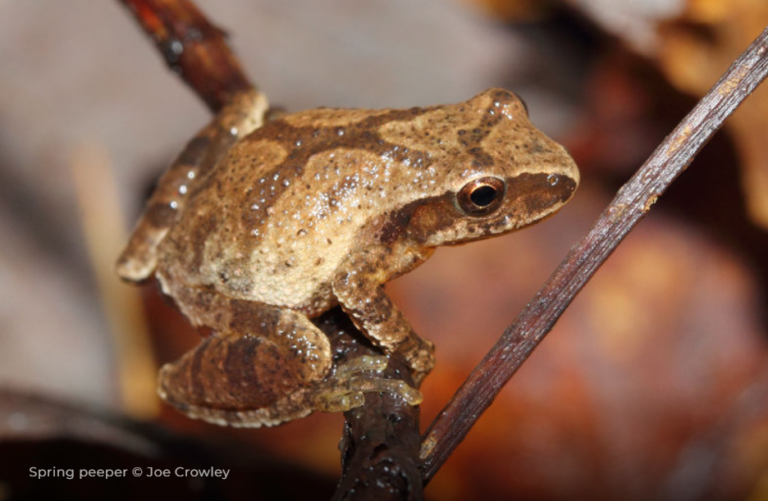
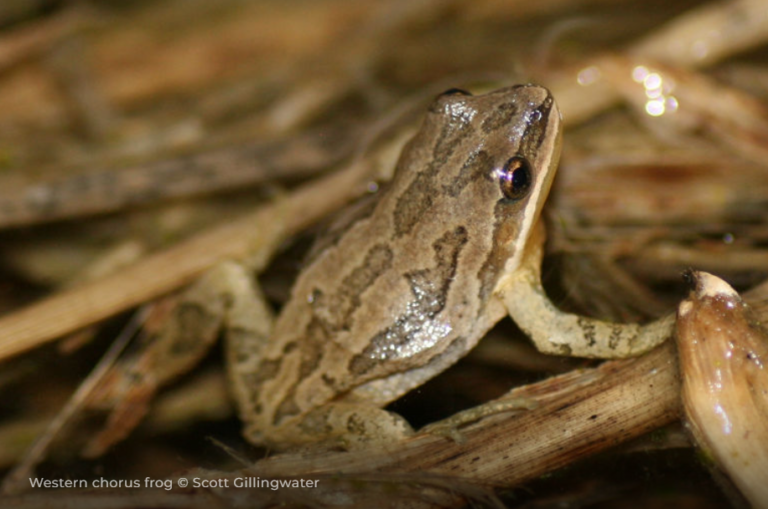
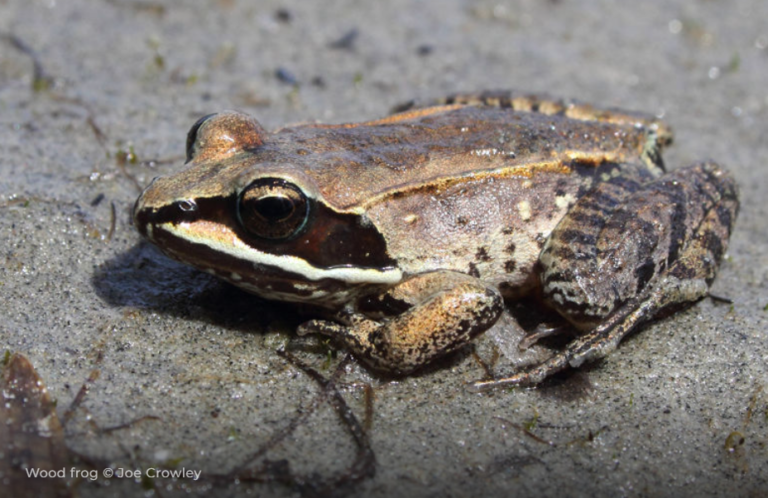
After a long winter, springtime is a relief for many wildlife species! This is the breeding season for many animals, including our pond-breeding amphibians. Here we share what the breeding calls sound like for every frog and toad species in southern Ontario.
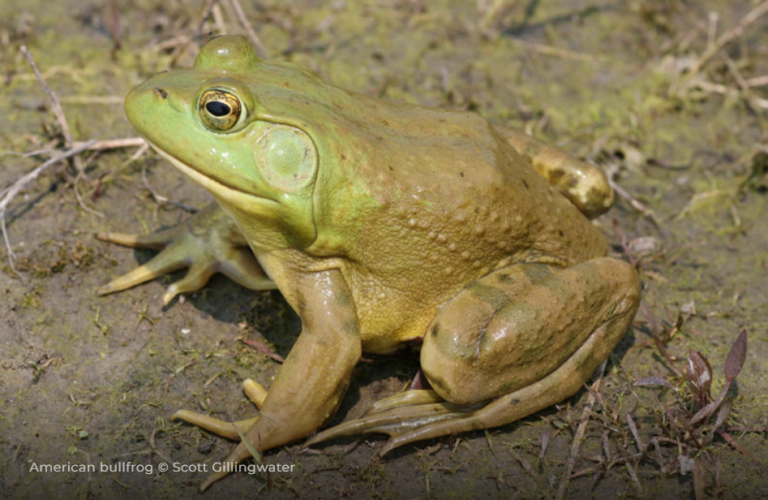
American Bullfrog (Lithobates catesbeianus)
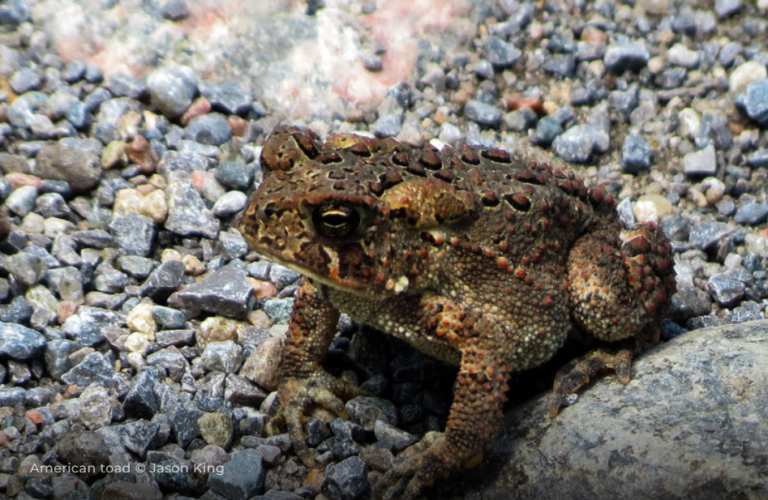
American toad (Anaxyrus americanus)
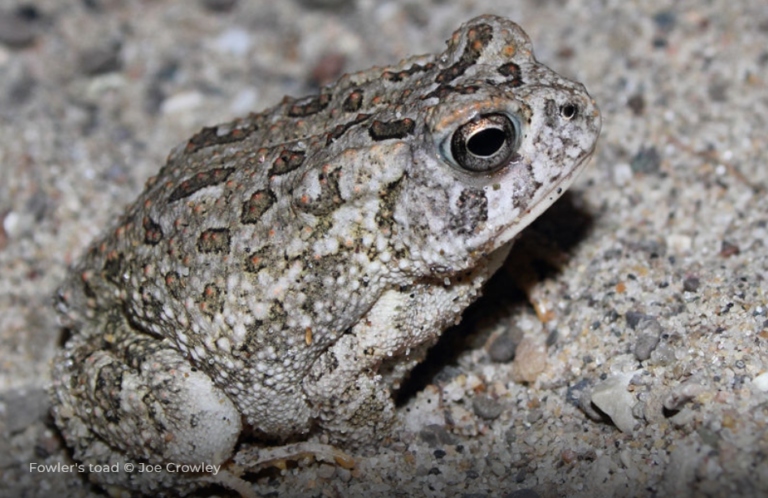
Fowler’s toad (Anaxyrus fowleri)
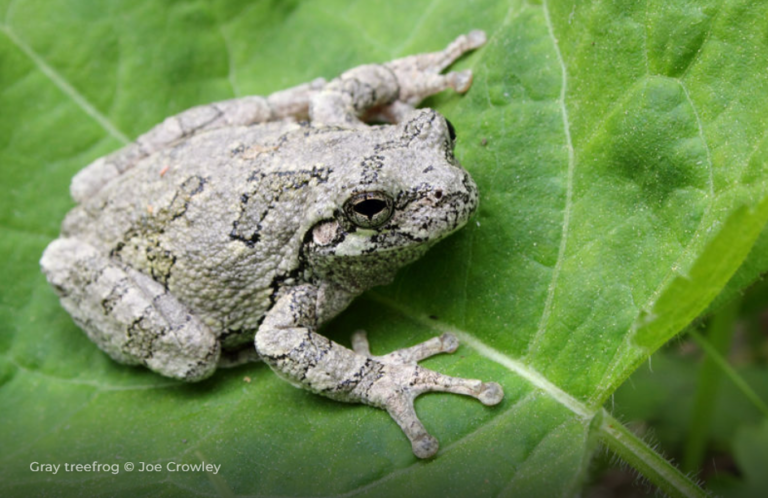
Gray treefrog (Hyla versicolor)
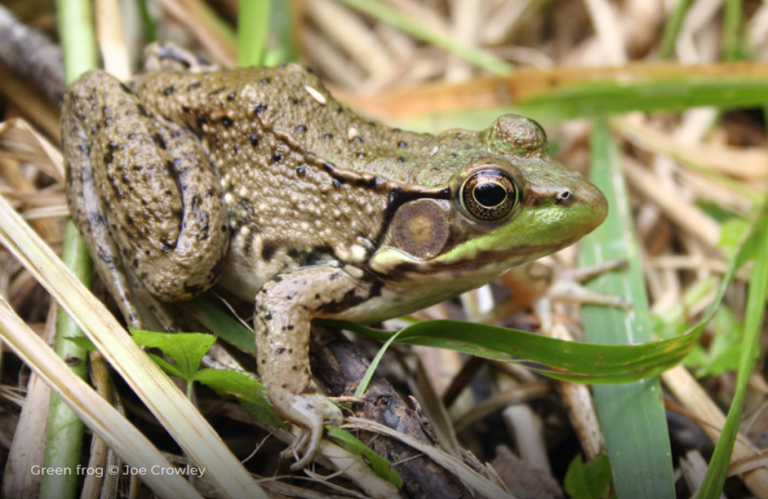
Green frog (Lithobates clamitans)
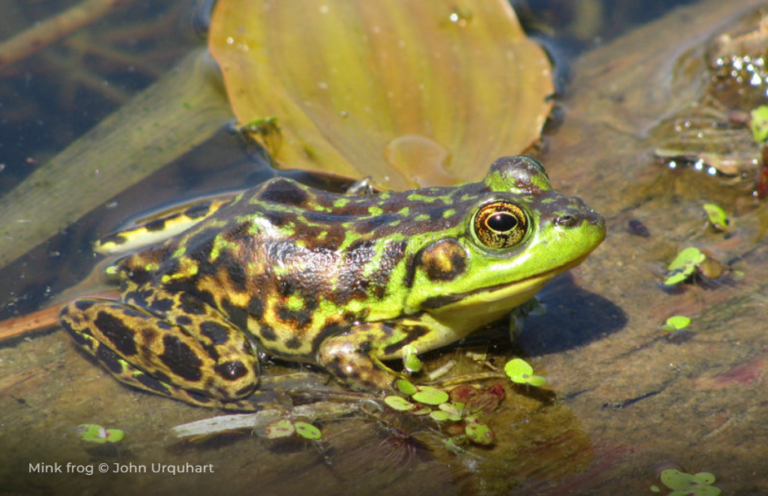
Mink frog (Lithobates septentrionalis)
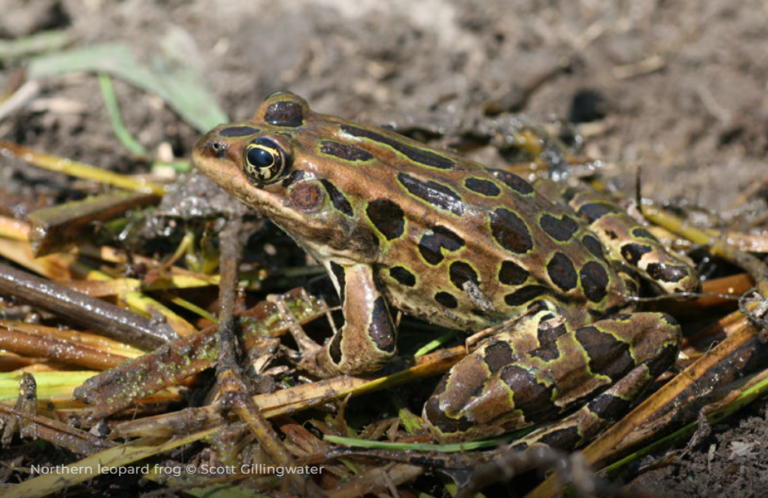
Northern leopard frog (Lithobates pipiens)
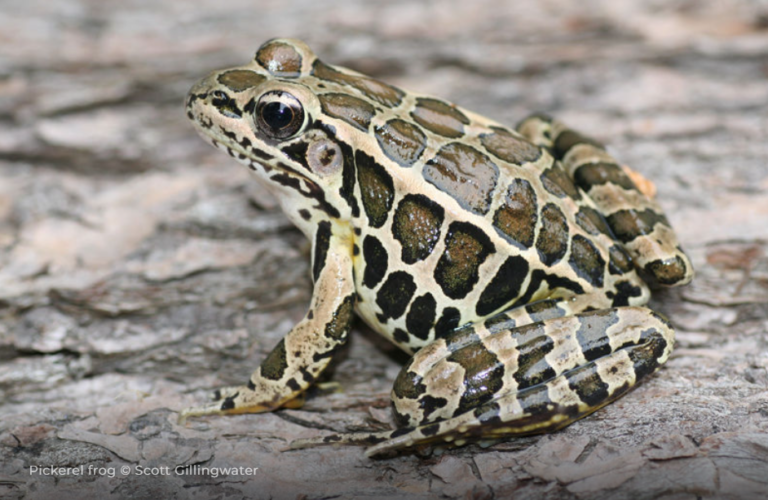
Pickerel frog (Lithobates palustris)
Spring Peeper (Pseudacris crucifer)
Western Chorus frog (Pseudacris triseriata)
Wood frog (Lithobates sylvaticus)
Frog & Toad breeding activity in Niagara Region
The figure above provides a general guide to the timing of anuran (frog and toad) breeding activity in the Niagara Region. The second row represents the weeks within each month, and the dark blue cells indicate when each species is actively breeding. As shown, amphibian breeding activity can extend into the summer months.
To help interpret the figure, look at a specific week—for example, the last week of March. The species highlighted in blue for that week (such as Wood Frogs, Western Chorus Frogs, Spring Peepers, American Toads, and Pickerel Frogs) are those you are most likely to hear calling from wetlands at that time. Not all species will necessarily be calling at once, but the chart shows when each species is typically active.
It’s important to note that breeding activity is strongly influenced by environmental conditions, especially temperature. Wood Frogs, which are freeze-tolerant, are often the first to emerge in early spring, even when temperatures may still drop below freezing.
A great resource for checking which species you may encounter in your area is the Reptile & Amphibian Atlas by Ontario Naure. Visit their website and try out their mapping tools, which can display all species of amphibians and reptiles found in Ontario!